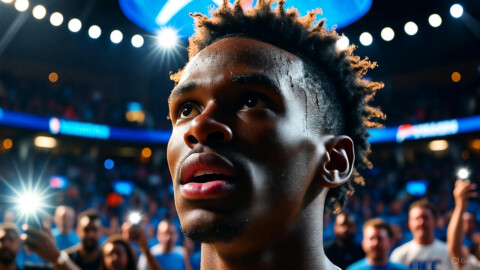



Why the Super Bowl Halftime Show Keeps Breaking Records
Halftime Hype defines the Super Bowl, transforming a football game into a global cultural phenomenon. Every year, the Super Bowl Halftime Show draws millions of viewers, consistently shattering records for viewership, social media engagement, and cultural impact. But what makes this 12-15 minute spectacle so unforgettable? From jaw-dropping performances to strategic artist selections, the halftime show has evolved into a must-watch event. This article explores the key reasons behind its record-breaking success, diving into its history, star power, and innovative production.
The Evolution of Halftime Hype
The Halftime Hype began modestly in the 1960s with marching bands and low-key acts. However, the 1993 performance by Michael Jackson redefined the show’s potential. His electrifying set drew unprecedented attention, prompting organizers to prioritize A-list talent. Since then, the NFL has consistently booked global superstars, ensuring the show remains a cultural touchstone. Moreover, the shift from simple performances to elaborate productions has kept audiences glued to their screens.

Star Power Fuels the Halftime Hype
The Halftime Hype thrives on star power. Artists like Beyoncé, Madonna, and The Weeknd bring massive fanbases, guaranteeing high viewership. For instance, Shakira and Jennifer Lopez’s 2020 performance garnered 104 million viewers, outpacing the game itself. Additionally, the NFL selects artists with broad appeal, ensuring inclusivity across genres and demographics. Consequently, these performances spark global conversations, with social media amplifying their reach.
Cultural Moments That Resonate
Beyond music, the halftime show creates cultural milestones. Iconic moments, like Prince’s 2007 rain-soaked “Purple Rain” or Lady Gaga’s 2017 roof-jumping entrance, become etched in pop culture history. Furthermore, the show often addresses social issues—think Beyoncé’s 2016 “Formation” performance, which sparked discussions on race and identity. As a result, these moments transcend entertainment, resonating deeply with audiences and driving record-breaking engagement.
Innovative Production Elevates Halftime Hype
The Halftime Hype is a masterclass in production. Cutting-edge technology, like augmented reality and massive LED screens, creates immersive experiences. For example, The Weeknd’s 2021 performance used a disorienting mirror maze to captivate viewers. Meanwhile, seamless stage transitions and pyrotechnics ensure a visually stunning show within a tight timeframe. Consequently, the NFL’s investment in top-tier production keeps the audience hooked, pushing viewership records higher each year.
Social Media Amplifies the Buzz
Social media has supercharged the halftime show’s impact. Platforms like X and TikTok explode with clips, memes, and reactions, extending the show’s reach far beyond the live broadcast. For instance, Rihanna’s 2023 pregnancy reveal during her performance trended globally within minutes. Additionally, artists tease their sets online, building anticipation weeks in advance. Therefore, the synergy between live performance and digital engagement ensures the show breaks online records annually.
Strategic Collaborations and Surprises
Unexpected guest appearances and collaborations keep the halftime show fresh. When Justin Timberlake brought out *NSYNC in 2018 or Dr. Dre joined Snoop Dogg in 2022, fans went wild. These surprises create viral moments, driving post-show streams and downloads. Moreover, the NFL carefully curates setlists to blend nostalgia with modern hits, appealing to multiple generations. As a result, these strategic choices consistently boost the show’s record-breaking potential.
Global Appeal and Accessibility
The halftime show’s universal appeal lies in its accessibility. Broadcast in over 180 countries, it transcends cultural and linguistic barriers through music and visuals. Additionally, streaming platforms like YouTube make performances available instantly, allowing global audiences to relive the spectacle. For example, Coldplay’s 2016 show, featuring Beyoncé and Bruno Mars, saw millions of international streams post-event. Thus, its global reach solidifies its status as a record-breaking phenomenon.
The Numbers Behind the Success
Viewership data underscores the halftime show’s dominance. According to Nielsen, the 2023 show drew 121 million viewers, surpassing the game’s 115 million. Furthermore, performances generate billions of social media impressions, with hashtags trending for days. Music streaming also spikes—Spotify reported a 600% increase in Shakira’s streams after her 2020 performance. Consequently, these metrics highlight why the halftime show consistently breaks records.

FAQs About the Super Bowl Halftime Show
Why does the Super Bowl Halftime Show attract so many viewers?
The show combines A-list performers, stunning production, and cultural relevance, creating a global spectacle that outshines the game itself.
Who selects the halftime performers?
The NFL, in partnership with sponsors like Apple Music, chooses artists based on popularity, cultural impact, and broad appeal.
How much are performers paid?
Surprisingly, performers aren’t paid directly. However, the exposure leads to massive boosts in music sales and streams.
What was the most-watched halftime show?
Rihanna’s 2023 performance holds the record with 121 million viewers, per Nielsen ratings.
How long is the halftime show?
It typically lasts 12-15 minutes, requiring precise planning to deliver a high-impact performance.
Why do artists agree to perform for free?
The global platform offers unparalleled exposure, often leading to chart-topping sales and long-term career boosts.
What makes the production so impressive?
Advanced technology, rapid stage setups, and creative direction create a visually spectacular experience in a short timeframe.
Will the halftime show continue to break records?
With evolving technology and bigger stars, the show’s cultural and viewership records are likely to keep soaring.
Conclusion
The Super Bowl Halftime Show’s record-breaking streak stems from its evolution, star-studded lineups, and innovative production. By blending cultural relevance with global accessibility, it captivates audiences year after year. Moreover, social media amplifies its reach, ensuring viral moments dominate conversations. As the NFL continues to push creative boundaries, the halftime show will likely keep shattering records, solidifying its place as a cultural juggernaut.